


While most home improvement projects will increase your property’s value to some extent, some are better investments than others.
If you’re planning to sell your house in the near future, you might wonder which upgrades are worth the cost. You won’t be staying in the home long enough to reap the lifestyle benefits of a renovation, so you want to choose the projects that will offer the best return on investment.
Here’s everything you need to know about renovating when you plan to sell in three years:
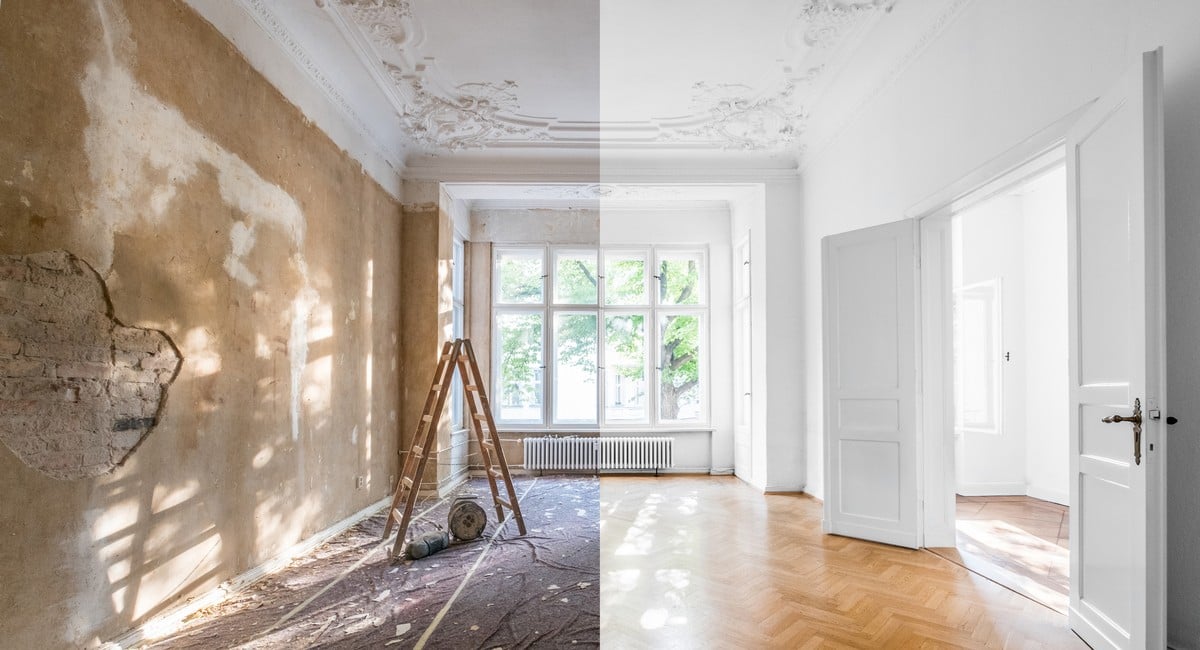
Resale Value vs Lifestyle Value
Home renovations can be measured in terms of resale value and lifestyle value.
Some upgrades are widely popular among home buyers and will increase the value of your home when you sell it. Others will greatly improve your life while you remain in the house but won’t actually increase the property’s worth.
When you plan to remain in your home for years or decades to come, your own needs and wants are the most important consideration. However, if you plan to sell your home in a few years, resale value should be your priority.
You shouldn’t put tens of thousands of dollars into upgrades that you’ll only get to enjoy for a couple years if you won’t be able to recoup what you spent.
Upgrades With the Best ROI
Some home renovations provide a far better return on investment than others. If you’re looking for upgrades that will pay for themselves when you sell your house, here are five to consider:

1. Kitchen Remodel
Kitchen remodels vary widely in scope and cost. In most cases, a mid-range kitchen remodel offers a fairly strong ROI. With more extensive renovations, you’re less likely to recoup your costs.
If your kitchen could use an upgrade, focus on small to mid-sized improvements like replacing the countertops, refacing the cabinets, installing a new faucet, or updating the appliances.
Avoid making major changes to the plumbing, removing walls, or rearranging the layout of the room.
2. Bathroom Remodel
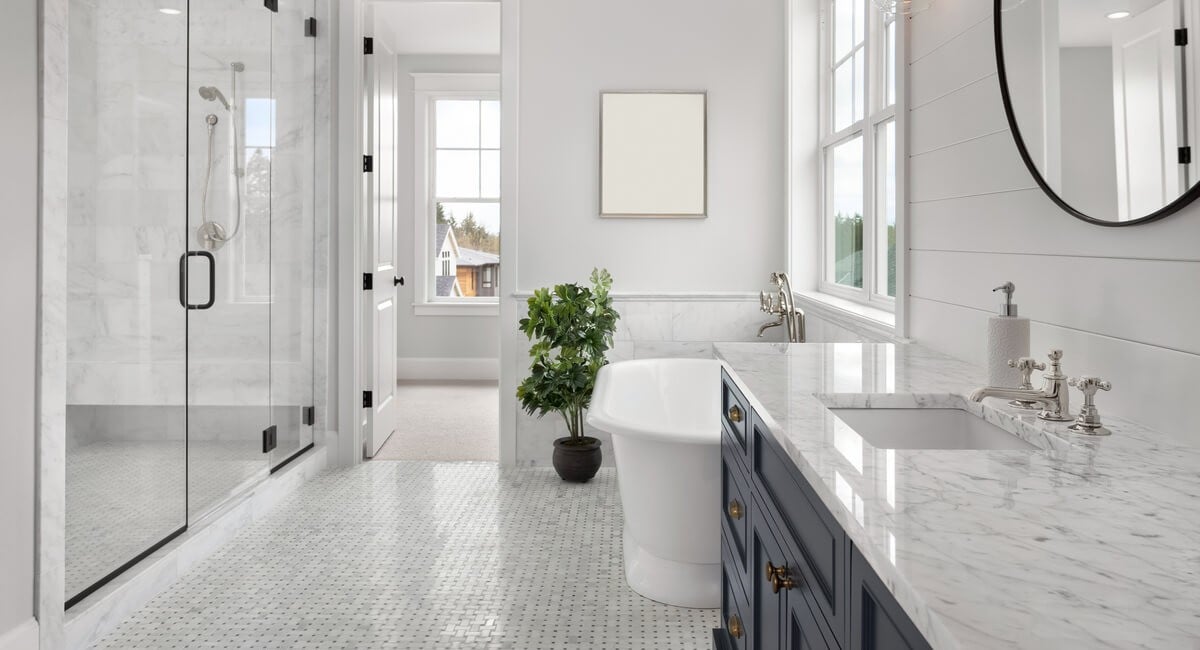
Bathroom remodels are very similar to kitchen remodels in what they offer for returns. Gutting the bathroom, moving the plumbing, and replacing all the fixtures probably won’t be worth the money.
However, upgrading the lighting, refinishing the bathtub, replacing the tile, and installing a new vanity can all be excellent upgrades.
Converting a tub to a walk-in shower can also offer a great ROI, especially if your home has other accessible features that will allow the homeowners to age in place.
3. Deck or Patio
Outdoor living spaces have become very popular. If you don’t have a deck or patio, installing one could provide an impressive ROI.
If an existing deck is aging, consider replacing it with composite or PVC. A patio improvement project can boost your home’s value, too.
4. Garage Door
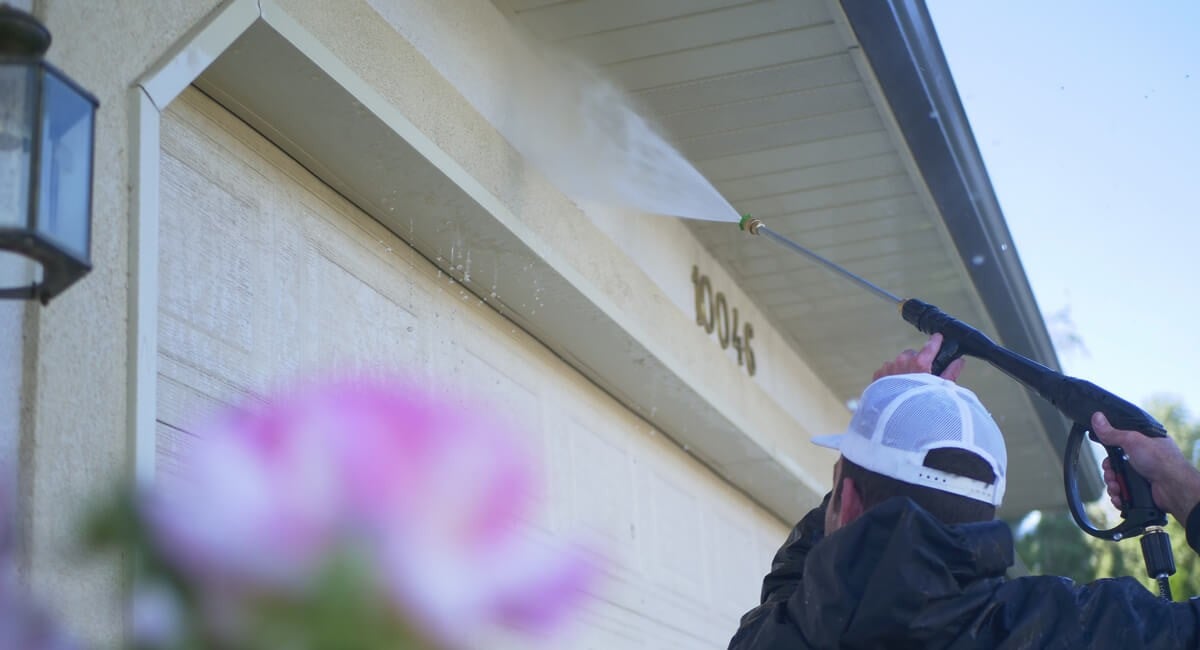
A garage door replacement offers one of the best ROIs of any home improvement project. In many cases, it increases the property’s value by even more than the cost of the project itself.
The garage door is one of the first things prospective buyers see when they visit your house, and an upgrade can make a dramatic difference in the home’s facade.
New garage doors have better insulation, too, so they can help reduce the heating and cooling bill.
5. Windows
Window replacement offers a strong ROI, especially if your current windows are old or drafty.
Modern windows are far more energy efficient, so they help homeowners save on utility costs. Upgrading the windows can also reduce noise pollution, improve the property’s curb appeal, and reduce the amount of dust and pollen that enter your home.

The Hidden Costs of Renovating
The financial expense is only one consideration when deciding to renovate your house. Here are some other costs you’ll have to contend with when making big upgrades to your home:
Time
A home renovation is an incredibly time-consuming project. In almost all cases, renovations take longer and require more man-hours than homeowners initially predict.
Even if you outsource the work to contractors, you’ll dedicate a lot of time to planning, preparing for, and reviewing the project.
Noise
Many homeowners find that the noise involved in a major renovation is one of the most difficult and disruptive factors.
The noise can be especially troubling if you work from home or if you have young children. While construction sounds may be bearable for a couple days, if you’re planning a longer-term project, the noise can take its toll on you and your family.

Inconvenience
Construction is inconvenient and disruptive. At the very least, you’ll have to move your furniture out of the room being worked on.
You may need to put your belongings in storage or vacate your home while the work is in process. Even if the project offers a great return on investment, you may decide that it’s not worth the interference in your life.
How to Maximize Your ROI on Improvements
When you plan to put your home on the market in the near future, upgrades should be made with ROI in mind. Here are three tips for maximizing your return with home improvements:
1. Consider home values in your neighborhood.
Most buyers want a house that fits in. When a home is significantly larger, smaller, more expensive, or cheaper than the others in the neighborhood, it can struggle to sell.
While you may have big plans for a remodel, consider whether it would drive your asking price up too much. You might not get a good return if the project makes the property fall out of line with the neighboring homes.
2. Address needs before wants.
Consider whether your house is lacking any functional features, and prioritize making those upgrades. Not only will this boost your home’s value, but it can also help you appeal to a wider pool of buyers.
For example, adding an extra bathroom to a home with four bedrooms and one bath will make the property far more attractive to buyers.
Replacing old appliances, removing dirty or outdated carpet, or installing overhead lighting are all practical projects as well.
3. Get multiple quotes.
Only embark on a home improvement project once you’ve gathered as much information as you possibly can.
Start by researching the cost of the renovation you want to complete, and then reach out to several local contractors for quotes.
The cost of a project can vary dramatically based on the size and layout of your home, your location, and the quality of the materials you use. Getting multiple detailed quotes will help you set a more accurate budget, avoiding the risk of overpaying and diminishing your return on investment.
Renovating Without Regret
Making upgrades to your house can be a great way to prepare it for the market. If you know you’ll sell your house in the next three years, focus on projects that will appeal to the widest pool of buyers and offer the strongest ROI. When in doubt, consult with a trusted real estate agent who knows what features help homes sell in your area.